Part of the AMERINE World Cup 2026 after-action series. Read the pillar: [World Cup 2026 After-Action Report](/major-event-security).
The pre-tournament briefings treated the 11 U.S. host cities as a single operating environment. In practice, they were not. Ground movement, credentialing regimes, hospitality-district posture, and FBO surge behavior varied enough that a team that ran a clean operation in Kansas City could have been caught flat in New York/New Jersey the following week.
This is the shorter, city-comparative half of our after-action work. The pillar covers the tournament-wide takeaways; this piece isolates what varied.
Venue posture: three distinct models
Across the 11 venues, we saw three effective postures:
- Federal-lead hardened rings (MetLife, SoFi, AT&T for the semifinal). Perimeter enforcement was tight, credentialing was rigorous, and off-venue soft-target exposure was compressed but not eliminated.
- Municipal-lead venues with strong PD command (Gillette, Mercedes-Benz, Arrowhead). Predictable in the ring, but hospitality districts a mile out ran hotter than expected.
- Hybrid stadium/entertainment-district venues (Hard Rock, Levi's, NRG). The venue was disciplined; the surrounding entertainment districts absorbed most of the risk.
None of those postures was wrong. But teams that assumed uniform posture across cities were surprised in at least one city.
Ground movement
Ground movement was the most variable operational factor across the tournament.
- Los Angeles and Miami had the most disrupted surface transport, with dynamic road closures rippling across the metro on match days.
- Kansas City ran the cleanest ground picture — predictable closures and well-signposted alternates.
- New York/New Jersey required the most protective-driver adaptation: MetLife-adjacent movement was heavily channelized, and Manhattan-based principals lost hours on days they had not planned for.
- Dallas–Fort Worth (AT&T Stadium) handled its nine matches, including a semifinal, with more posture predictability than the pre-tournament analysis assumed — largely because DFW's law enforcement rehearses this scale of movement for other events (Cowboys, State Fair, NCAA finals).
Hospitality-district exposure
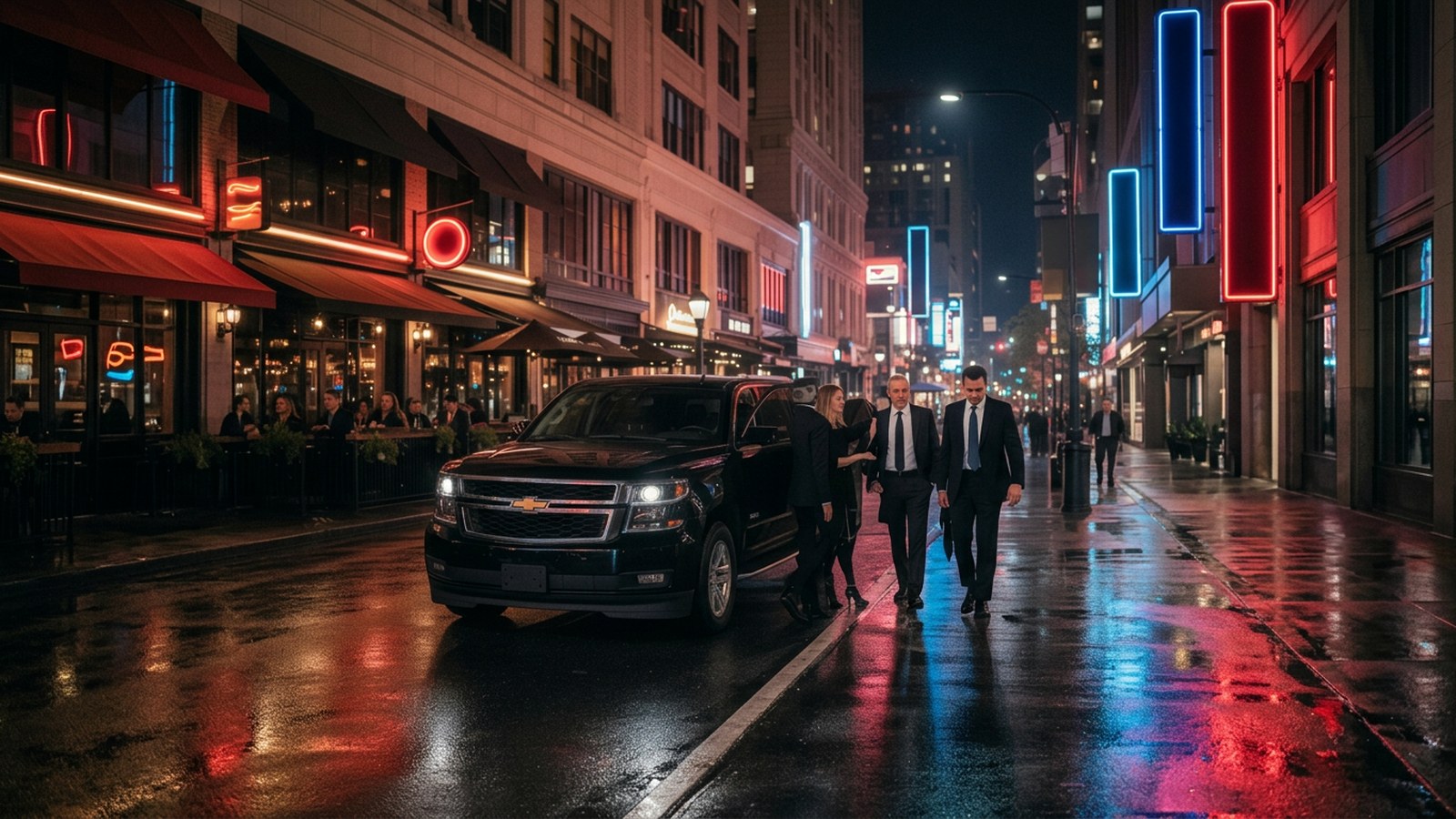
The pattern the pillar names — the hardest target in the hardened ring is the easiest target two blocks outside it — expressed itself most sharply in Miami, Atlanta, and Los Angeles, where entertainment districts absorbed spillover crowds and produced the majority of the reportable incidents we saw at the client-facing level.
Boston and Kansas City ran quieter hospitality districts, in part because their venues sit farther from concentrated nightlife.
FBO surge and cross-border movement
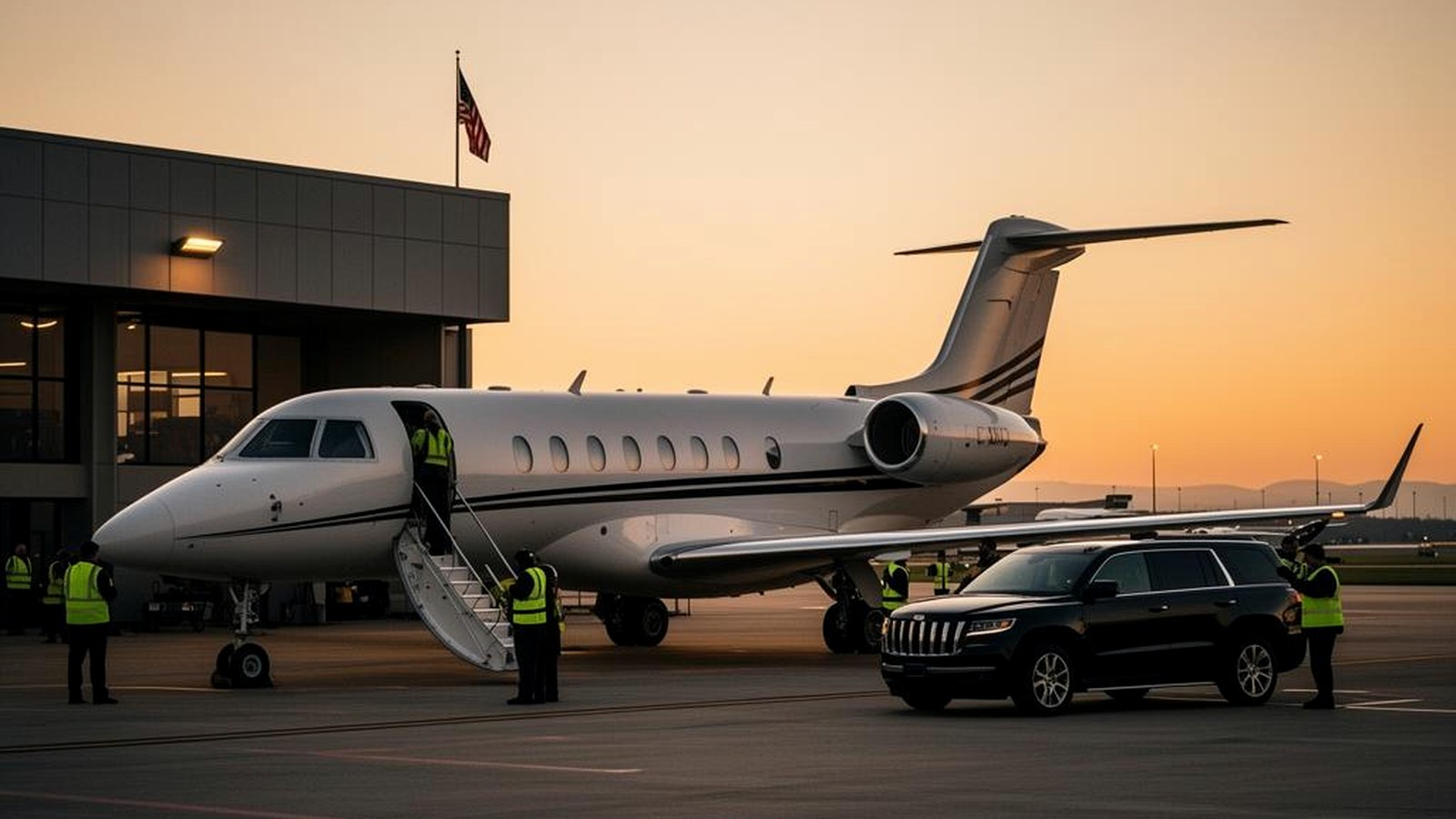
Private aviation surged in the expected corridors (see our FBO retrospective) but the human-factors story is smaller-airport handling. Teterboro, Van Nuys, Dallas Executive, Opa-locka and Addison ran near ceiling on multiple match days. Second-choice FBOs became first choices, and any team that had not pre-briefed line service, ground transport handoff, and secure lot access at those alternates lost time.
Cross-border movement to the Canadian and Mexican host cities (Vancouver, Toronto, Guadalajara, Mexico City, Monterrey) was handled cleanly for our clients when the movements were pre-cleared. Same-day cross-border adds — which several delegations attempted — did not go well.
What carries over to LA28
The Los Angeles 2028 Olympic and Paralympic Games will re-run the same physics on a longer timeline, with more venues clustered inside a single metro. Three carry-forward lessons from the World Cup debrief:
- Do not treat the metro as one operating environment. SoFi, Downtown, Long Beach, and the equestrian venues will each run differently.
- Compress the client footprint two blocks outside the ring. Nightlife-adjacent hotels and hospitality suites will absorb most of the off-venue risk.
- Pre-brief secondary FBOs before you need them. Van Nuys, Long Beach, Burbank, and Ontario will all carry meaningful load; primary FBO slots will be constrained.
Related reading
- World Cup 2026 After-Action Report — the pillar
- Mega-Event Security Playbook — the evergreen framework
- World Cup 2026: Hospitality-District Retrospective
- World Cup 2026: FBO Surge Retrospective
- World Cup 2026: Digital-Hygiene Findings
AMERINE Executive Logistics is licensed by the Texas Department of Public Safety, License No. C31012001.