A Compressed, High-Pressure Day
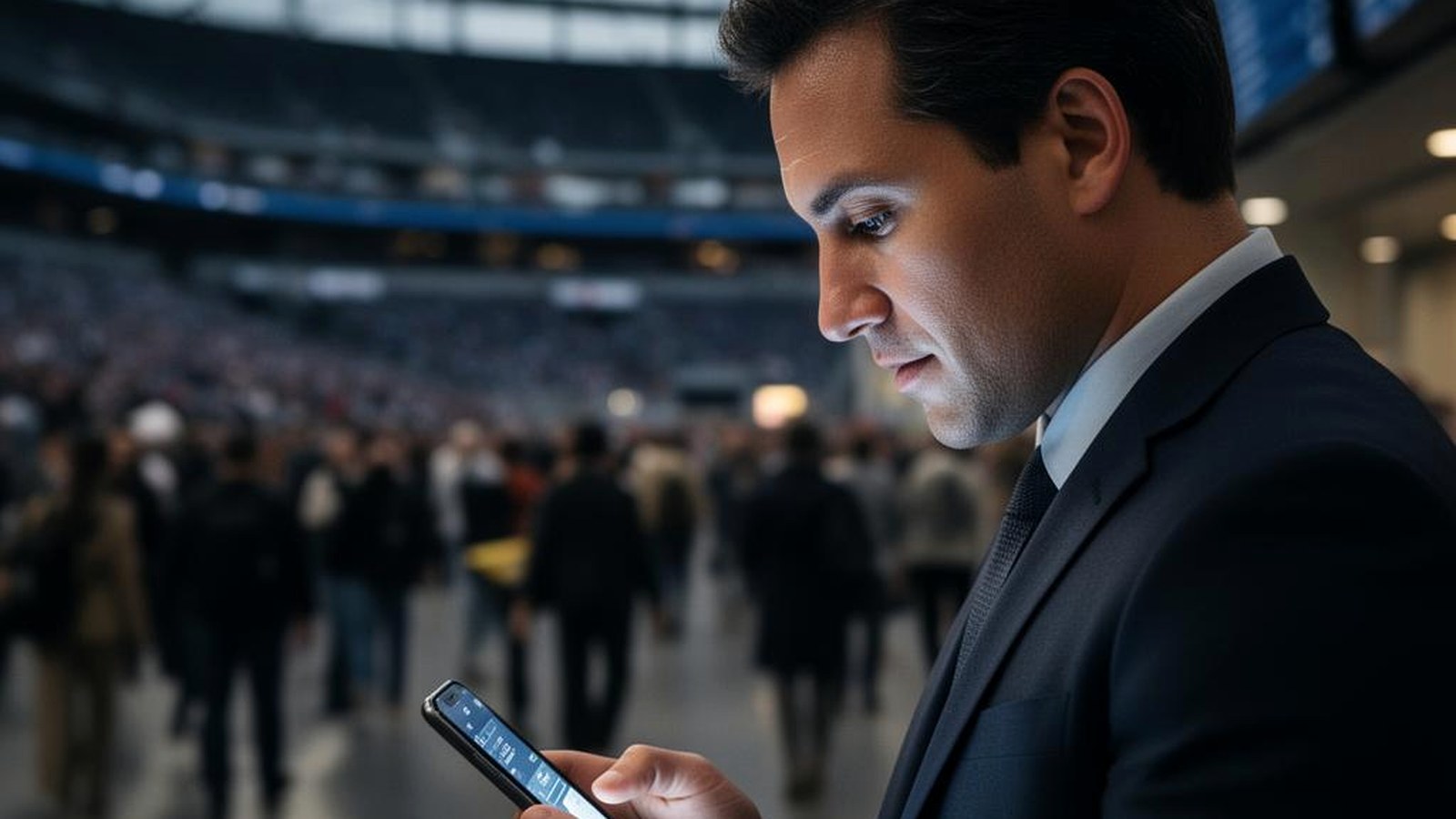
World Cup match days will compress thousands of people into limited roads, entrances, sidewalks, transit points, rideshare areas, and hotel districts. For casual fans, that may simply mean arriving early. For executives, UHNW families, public figures, and corporate delegations, match-day movement requires a higher standard.
Transportation is one of the most important parts of a protective plan because it connects every exposure point in the itinerary.
Airports Will Be Part of the Event Footprint
The Federal Highway Administration has emphasized that host-city mobility planning includes airports, transit, roadways, visitors, workers, volunteers, media, and accessibility needs. That means airport operations, road traffic, and local transit should be expected to shift around match days and major event windows.
Commercial travelers should monitor airport status, pack with screening in mind, and consider expedited screening programs where appropriate. FAA's World Cup travel guidance also directs passengers to review TSA travel tips, TSA PreCheck, prohibited items, airport delays, and airline policies for delays or cancellations.
Domestic U.S. travelers should also verify identification before departure. Travelers without a REAL ID-compliant license or state ID can use a passport or another acceptable form of identification to fly.
Private Aviation and Drones Require Special Attention
The FAA has designated FIFA World Cup 2026 stadiums and surrounding event spaces as strict No Drone Zones. Unauthorized drone flights are prohibited in designated airspace and surrounding grounds, and temporary flight restrictions should be expected around stadiums on match days.
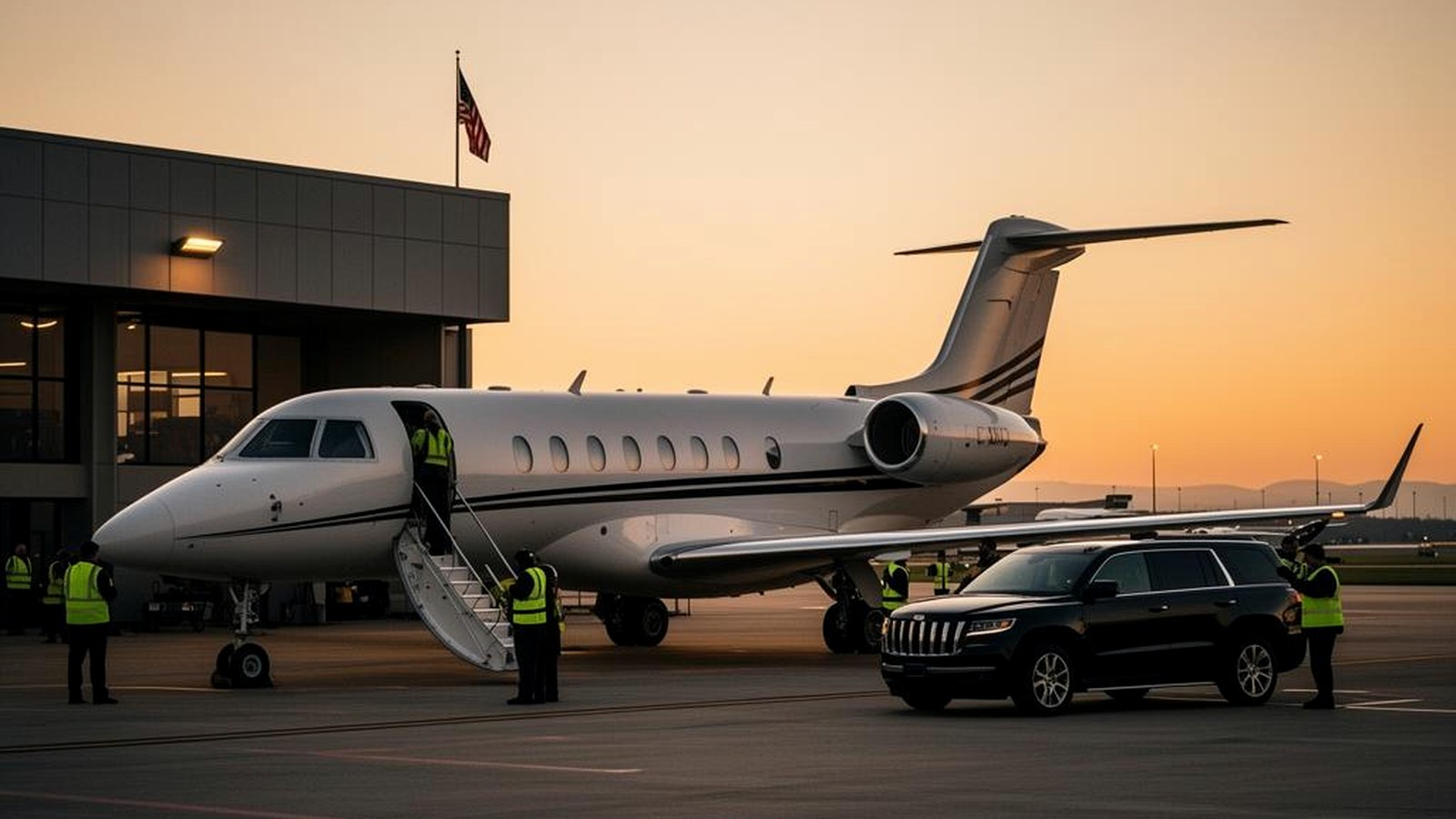
Private aircraft operators should plan early, monitor NOTAMs, and prepare for air-traffic management restrictions. This is not a period to rely on last-minute flexibility.
The Curb Is Often the Risk Point
In protective operations, the most important location is often not the stadium suite. It is the curb. Curbside congestion creates exposure: cameras, crowds, fans, protest activity, opportunistic theft, separated family members, and unplanned delays.
A secure transportation plan should define:
- Vehicle type and driver vetting
- Arrival windows
- Primary and alternate drop points
- Communications between traveler, driver, and protection team
- Post-match pickup procedure
- Backup vehicle or alternate movement plan
- Hotel and restaurant arrival protocol
- Emergency response location and hospital awareness
Rideshare Is Not a Protective Plan
Rideshare may be useful for general travel, but it is not a secure transportation strategy for high-profile clients. During major events, rideshare availability, pickup zones, driver familiarity, and route control can become unpredictable.
For VIP travelers, secure transportation should be pre-planned, vetted, and integrated into the broader itinerary.
Build the Plan Backward From Departure
The best match-day plan begins at the end. How will the client leave the stadium? Where will the vehicle be? What happens if the client wants to leave early? What if the match goes long? What if cellular service is degraded? What if the original pickup point is closed?
These questions should be answered before the traveler arrives in the city.
> A great match-day plan is rehearsed, not improvised — and the post-match egress is designed before the pre-match arrival.
AMERINE provides secure transportation planning and executive protection support for high-profile travelers attending major events, including FIFA World Cup 2026 host-city travel. Contact us to begin planning.
---
AMERINE is not affiliated with FIFA. This article is general travel-security planning guidance and is not aviation, law-enforcement, or ticketing advice.