Why a Single Doctrine, Not Eleven Playbooks
In the last twenty-four months our team has protected principals at the Super Bowl, the Ryder Cup, the Masters, Formula 1 weekends, presidential-cycle events, two private destination weddings that drew federal interest, the World Economic Forum at Davos, and now the lead-up to the FIFA World Cup 2026. From the outside these look like eleven different problems. From inside a protective program they are one problem with eleven schedules.
The lesson, after enough of these, is that mega-events do not require unique doctrines — they require the same doctrine applied with discipline at scale. When teams treat each event as a one-off, they re-learn the same lessons at every cycle. When they treat the World Cup as one instance of a recurring class of problem, they walk into Davos in January, the Masters in April, and the Olympics in 2028 with the playbook already written.
This article lays out the doctrine we apply across all of them. It builds directly on what we have written about the World Cup specifically — see our World Cup 2026 hub, the host-city pressure analysis, and the unprecedented-security-challenge analysis — and abstracts it into the framework that applies everywhere else.
The Common Shape of Every Mega-Event
Every mega-event we have worked, regardless of sport, politics, or genre, has shared the same operational shape:
- A hardened venue with a soft perimeter that expands outward in concentric rings. Stadium, ballroom, convention center, fairway, summit hall — the inside is over-resourced. The risk lives in the rings outside.
- A short window of intense compression. Three hours before kickoff, two hours after the keynote, the night before the final. Movement bottlenecks and decision-quality drops in those windows on every event.
- A jurisdictional patchwork that does not announce itself to the traveler. Federal lead, state assist, local primary, private overlay — the principal does not see the seams, but the seams are where incidents happen.
- A media and intelligence overlay that elevates everyone in attendance. Cameras, geotags, fan photos, and adversary OSINT raise the profile of attendees who would normally travel without attention.
- A finite supply of competent local operators and vehicles, booked early by the people who treat the event as a recurring class.
Once a protective lead sees this shape, the planning template stops being event-specific. The World Cup hotel doctrine is the Davos hotel doctrine. The Super Bowl egress doctrine is the Coachella egress doctrine. The Masters intelligence cycle is the Ryder Cup intelligence cycle. The names change. The discipline does not.
The Five-Pillar Doctrine
The same five pillars carry every mega-event program AMERINE runs.
1. Venue is the safest place — plan around it, not for it
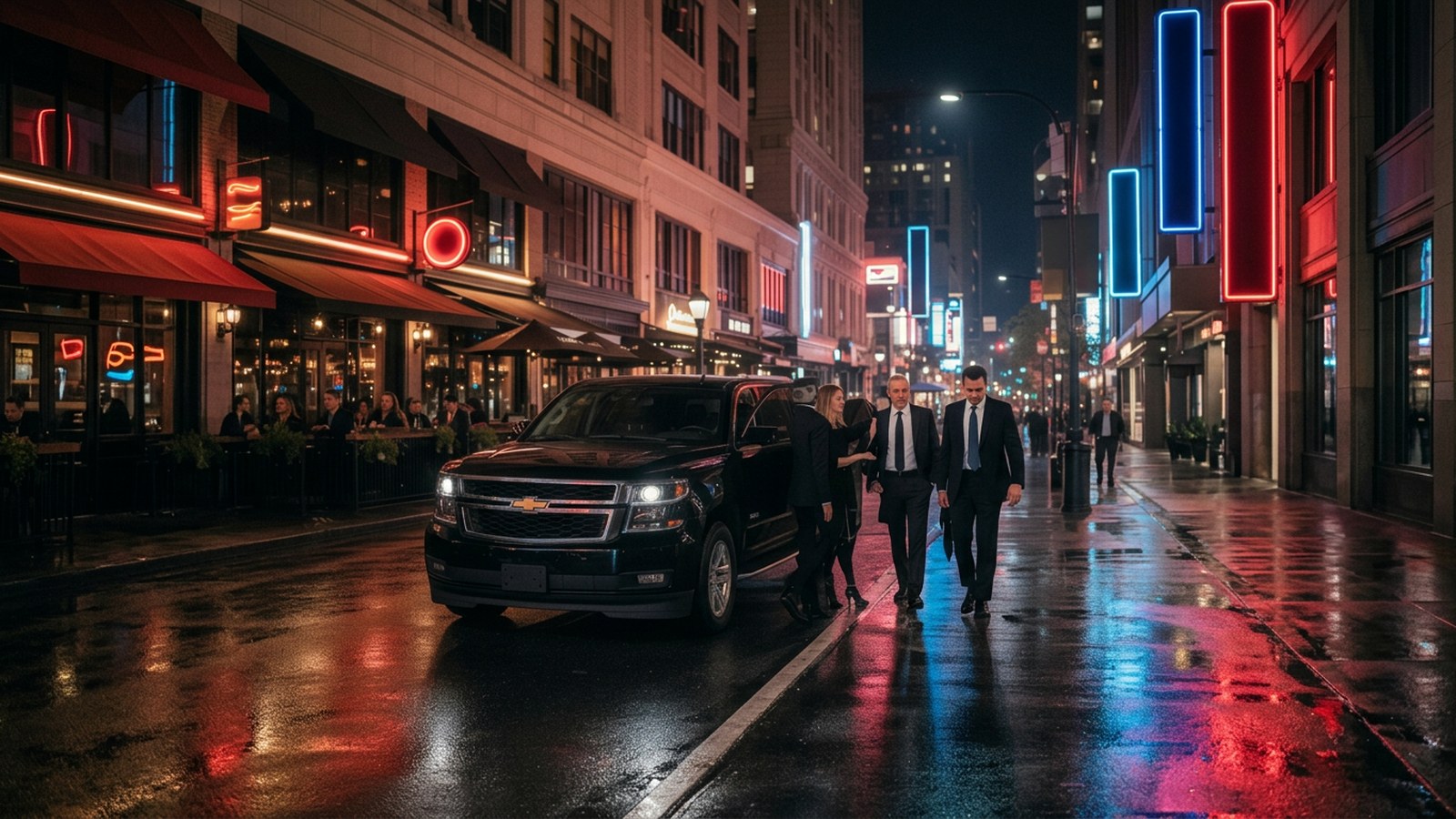
Stadiums, ballrooms, and convention centers at the center of a federally supported event are typically the most over-resourced environments the principal will enter all year. The mistake protective teams make is concentrating planning energy there. Sponsors, FIFA, the IOC, the host city, and the federal task force are already handling that ring. The planning energy belongs in the rings outside it. Hotels. Pre-event dinners. The walk from the suite to the car. The drive from the ranch event to the heliport. Those are where the actual decisions get made.
2. Compress the soft-target footprint
Every additional restaurant, bar, watch-party, and offsite reception is another soft target on the principal's day. Our consistent recommendation across the World Cup, the Super Bowl, Davos, and presidential-cycle work has been to co-locate the meal, the brief, and the transit window. If the principal is at the stadium, the pre-game dinner is in the stadium club or at a vetted property within ten minutes — not across town at a celebrity restaurant we did not pick. The same logic applies at Davos: dinners at the Belvedere or InterContinental, not at the third-best fondue spot the sponsor recommended.
This is the single most repeated correction we make on incoming itineraries, and it works at every event.
3. Plan for egress with more energy than ingress
Ingress at a hardened venue is orderly. Federal and local resources have it under control. Egress — when 80,000 people leave at once, when the keynote ends, when the gala lets out — is where crowd-crush risk, opportunistic crime, and protective-team drift concentrate. The 2024 Copa America final in Miami, the 2022 Astroworld tragedy, and the 2017 Manchester Arena post-concert attack all happened in the egress window. Our crowd-crush and stadium-egress playbook was written for the World Cup, but the doctrine applies unchanged to every concert, gala, and sporting event we cover.
4. Treat digital exposure as part of the protective surface
Every mega-event runs a digital perimeter that adversaries probe long before the first attendee lands. Ticket-app phishing, malicious QR codes, hostile Wi-Fi at the venue, deepfake "lost ticket" outreach to executive assistants — we see the same pattern at the World Cup, the Olympics, and the Super Bowl. The protective program should include a clean travel device for event accounts, verified app installs, and an EA briefing on the social-engineering vectors specific to that event. Our cyber and digital hygiene playbook for travelers is the World Cup version; the underlying discipline is reusable.
5. Lock in local capacity early — and demand named operators
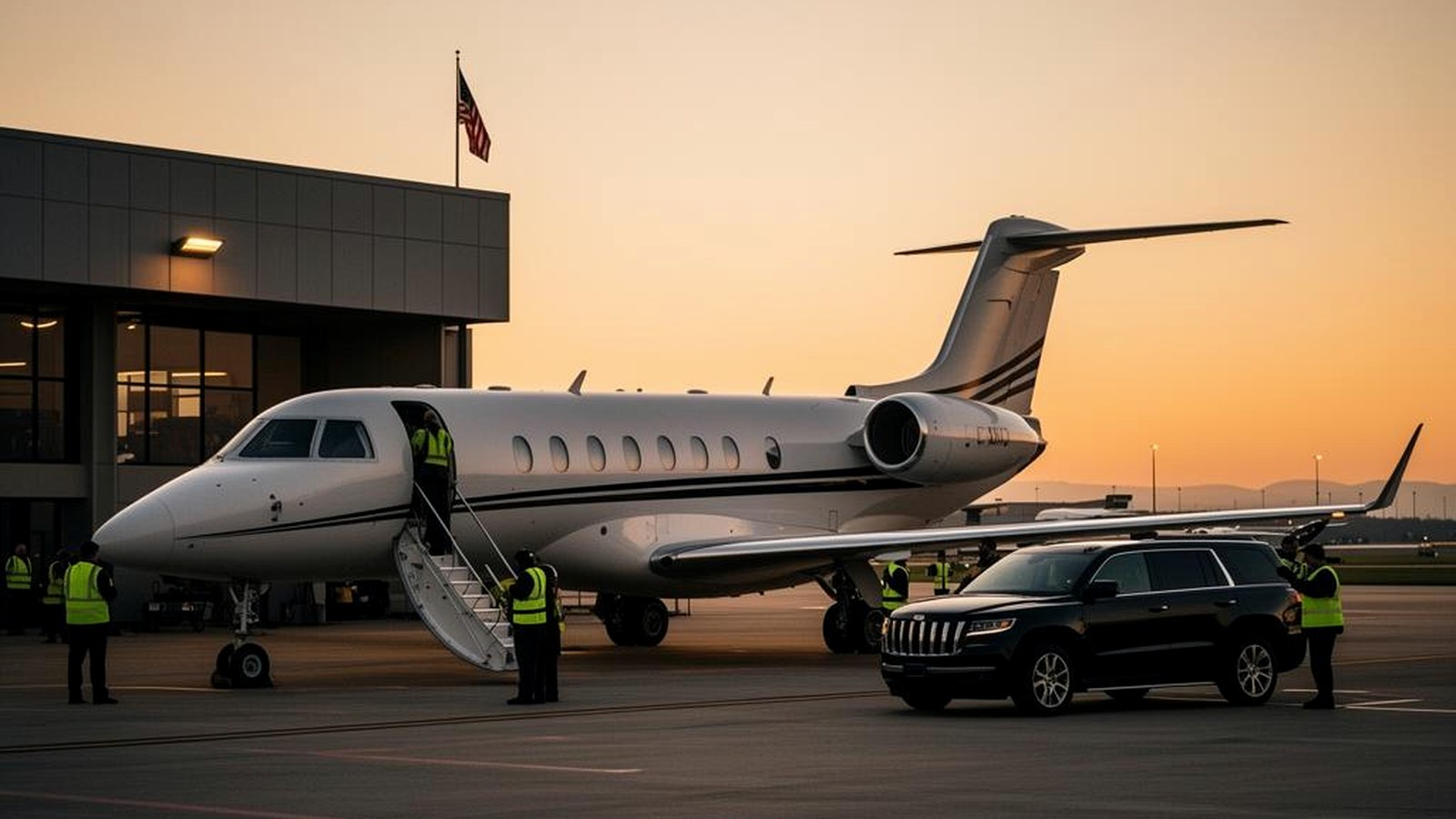
The supply of competent, vetted local drivers, agents, and venue contacts at any mega-event is finite. By the time the event is on the front page, the good people are already booked. We sign letters with vetted local partners six to twelve months ahead of every mega-event on the calendar — and we require named résumés, not "we'll assign someone." This is the single largest determinant of protective quality on the day, and it is the area where late-arriving programs fail most visibly. The same point is made specifically for World Cup planning in Family & UHNW Travel to the World Cup, but it governs every mega-event a family office should be planning for in the next eighteen months.
What This Doctrine Looks Like Applied
A concrete example. A family-office principal is attending a World Cup knockout match in Dallas in July, a Ryder Cup VIP weekend in September, and Davos in January. From the outside these are three different trips. From inside the program:
- The intelligence cycle is the same. Thirty days, fourteen days, seventy-two hours — same triggers, same outputs, same brief format. (Detailed in our forthcoming pre-event intelligence cycle framework.)
- The hotel doctrine is the same. Lobby bypass, elevator-bank discipline, named property security director, GSOC line for the floor.
- The egress doctrine is the same. Driver staged for early extraction, secondary route held, family egress separated from principal egress when warranted.
- The local-operator file is the same shape. Named lead, named alternates, named medical reference, named legal contact.
The principal experiences three trips. The program runs one playbook three times.
Where Mega-Event Doctrine Diverges From Routine Travel
A few areas do require event-specific adjustment. They are smaller in number than most teams assume.
- Federal coordination posture. World Cup, Olympics, NSSEs (National Special Security Events), and inaugurations sit under federal lead; private teams operate inside the federal posture. Other events — Davos, the Ryder Cup, Masters — run under host-country or private-event security with looser federal involvement.
- Cross-border movement. The World Cup spans three countries; the Olympics will span one. Brexit-era Davos and post-pandemic European travel each have their own quirks.
- Adversary attention. State-actor cyber probing is documented around the World Cup, the Olympics, the G20, and Davos. Sport-specific or entertainment-specific events draw a different threat mix — usually heavier on opportunistic crime and influencer-driven OSINT.
These are tuning knobs on the doctrine, not a separate doctrine.
What This Means For Family Offices and Corporate Programs
If your family office or corporate security function is building toward the next eighteen months — the rest of the World Cup, the 2026 college football championship, the LA28 buildup, Davos 2027, the next presidential cycle — the highest-leverage move is to commit to one doctrine and apply it across every event on the calendar, rather than re-procuring a security vendor for each one.
That is the work we do with retained family-office clients and corporate security programs through our memberships and private consultations. It is also the framework behind our Family Office Security Strategy pillar, which lays out how a family enterprise institutionalizes this kind of protective discipline across residences, travel, digital, and principal protection.
The 2026 World Cup is the largest distributed security challenge of our generation. It is also the most useful rehearsal of mega-event doctrine in the calendar. The teams who treat it that way — as the moment to harden a doctrine they will use for the next decade — will be better protected at every event that follows.
If you would like AMERINE to apply this doctrine to your principal's mega-event calendar — World Cup matches, Ryder Cup, Davos, Olympics planning, or the next inauguration cycle — contact us. Scott takes every first call personally.
---
General security planning commentary, not legal or operational advice for any specific event. Coordinate sensitive movement decisions with corporate security, counsel, and local authorities.